
Six line roulette bets explained properly means understanding where your chips land on the grid and what that means for your edge. On a European wheel you have 37 pockets, and a six line covers two whole rows of three numbers, so 18 outcomes in one go. That gives you a 16.2% hit rate on a straight spin, paid at 5:1 when it lands. The maths is simple, but the decision is not. You are trading a higher strike rate for a lower return per unit, which suits players chasing session rhythm more than anyone hunting a big single payout. If you are weighing where to place that kind of bet, the first thing to check is whether the casino’s lobby and table mix actually support the pace you want. A clean, searchable lobby with clearly sorted live and digital tables makes it easier to find the right wheel before you commit chips, and that matters more than most players realise when they are learning roulette six line bet explained in practice. You can see how a well organised table section is presented at https://playspinaud.com/ when you are comparing lobbies that keep discovery straightforward rather than burying tables under generic promotions.
What the six line actually does to your session
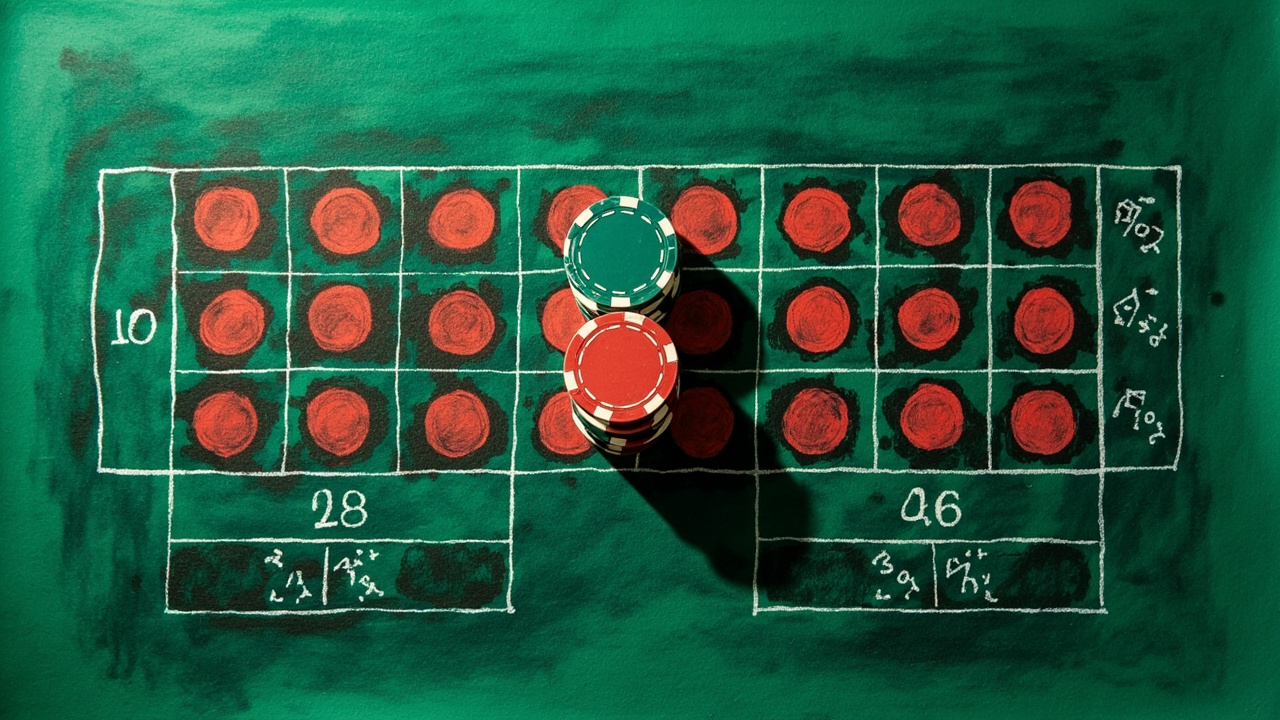
A six line is a 2:1 layout bet that straddles two adjacent rows, covering six numbers at once. On a European wheel the house edge sits at 2.7%, and that does not change no matter how you split your chips across the layout. What changes is your variance. You will hit more often than a single number or a street, but each win returns less relative to your stake, so your bankroll tends to move in smaller steps. That is why six lines suit players who want a steadier rhythm through a session rather than a sharp spike every few spins. From a design perspective, I have spent years tuning live tables and performance creative, and the same principle applies here: the pacing of a game has to match the player’s intent, or the experience falls apart. A six line gives you a gentler arc, which can feel comfortable in an arvo session when you are not chasing a big hit. The trade-off is that you need more spins to move the needle, so your stake discipline matters. If you are betting too large a fraction of your bankroll per spin, the lower payout per win means a cold run can still erode you faster than you expect. Treat the six line as a pacing tool, not a shortcut.
Reading the table, the lobby and the live environment
The way a casino presents its table games shapes how you use a six line in the first place. A lobby that sorts by wheel type, dealer speed and minimum stake lets you pick a table that matches your intended pace, rather than clicking into the first live stream that loads. Game mix matters here too. If the operator leans heavily on high-speed digital tables with tight autoplay defaults, a six line bet can burn through a session quicker than you planned, because the spin cadence never lets you reset your thinking between rounds. I have overseen live operations and performance creative long enough to know that friction is not always a bad thing; a slightly slower table with clear dealer calls and visible betting rounds gives you room to actually think about your stake sizing. Look for a lobby that separates live from digital clearly, shows stake ranges up front, and lets you filter by European or French rules so you are not guessing at the pocket count. Provider variety helps as well, because different studios tune their live tables differently, and the same six line bet can feel quite different depending on the dealer rhythm and the stream layout. If the search and discovery tools are weak, you end up making choices based on whatever is pinned at the top, which is a poor way to manage your bankroll.
| Detail | What to expect |
|---|---|
| Wheel type | European single-zero tables, some French variations |
| Live and digital mix | Separate lobby tabs with stake and dealer filters |
| Provider range | Multiple live studios plus digital table titles |
| Payment currencies | AUD accounts with standard local deposit methods |
| Registration | Identity checks before withdrawals, as required |
| Mobile layout | Same lobby and table access on phone and tablet |
| Support channels | In-app help and email contact during local hours |
| Loyalty shape | Point accumulation tied to table play, not just slots |
When a six line fits your plan and when it does not
The right call on a six line comes down to what you are trying to do in the session, not whether the bet is “better” in some abstract sense. If you want longer playtime and smaller swings, it has a place. If you are after a bigger payout from a single hit, you are better off with a narrower layout bet and a smaller stake, because the six line’s lower return per win will not give you that spike. Oliver Williams, Customer Experience Lead, Flinders Interactive Group, puts it plainly: “Players who treat the six line as a pacing choice rather than a profit strategy tend to manage their sessions better, because the bet’s hit rate matches a steadier rhythm.” That is a fair caveat, and it lines up with what I have seen when reviewing live tables and lobby flow: the bet only works as intended when your stake and your session goal line up. Matilda Fisher, Senior Market Analyst, Daintree Digital Ventures, notes that “in markets like Hobart where players are often weighing local session habits against tighter bankroll limits, a six line can feel comfortable, but it still needs the same discipline as any other layout wager.” That is the part most people skip. You can play a six line on a clean European wheel with good visibility and still make the wrong call if your stake is too heavy for the return you are getting. Use it when you want steadier motion, skip it when you want a sharper hit, and keep your sizing honest.

If you are weighing a six line against other layout bets, the simplest test is to ask what kind of session you actually want. A six line gives you more frequent small wins and a gentler bankroll curve, which suits a longer, more measured run. Narrower bets give you less frequent hits but a bigger return when they land, which suits a player who is happy to accept more variance for a sharper spike. Neither approach changes the house edge, so the decision is really about how much movement you want to see per spin and how long you want the session to last. Keep your stake tied to the return you are getting, pick a table with a pace that matches your intent, and do not let a busy lobby or a flashy stream talk you into a bet size that no longer fits your plan.
